


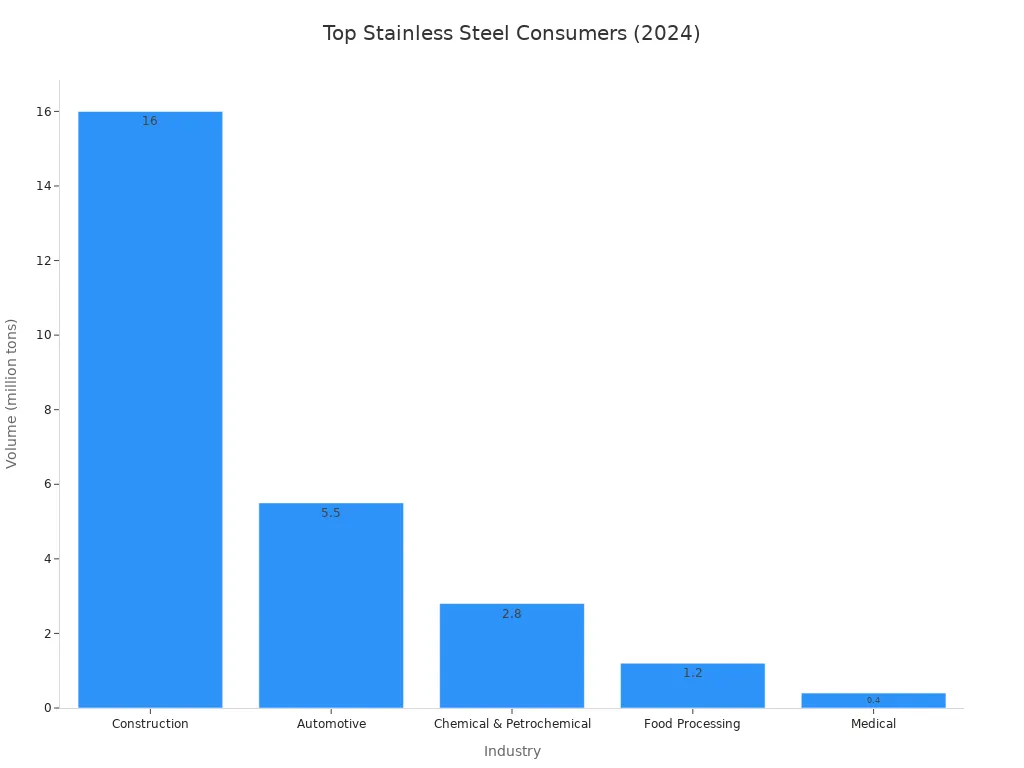
Modern industrial sectors rely on austenitic stainless steel to build long-lasting machinery and vital parts. Engineers choose these alloys for chemical plants, oil fields, medicine factories, food processing, car making, aerospace, and medical fields. Important helpful traits include strong rust resistance, heat tolerance, great shaping ability, high flexibility, easy welding, and a non-magnetic structure.
These useful alloys make up over 46% of the world’s total market. Factory buyers choose these materials to help their equipment last much longer.
Key Takeaways
- Austenitic stainless steel provides great rust protection, heat resistance, and simple shaping for factory machinery.
- Grade 304 offers reliable strength and basic rust protection for normal daily factory work.
- Grade 316 contains extra molybdenum to fight off harsh chemicals and ocean salt water very well.
- Grade 310 handles extreme heat up to 1100°C for industrial furnaces and high-temperature equipment.
- Stainless steel costs less over time than carbon steel because it removes the need for regular upkeep and replacement expenses.
Key Properties of Austenitic Stainless Steel
Corrosion and Thermal Resistance
Busy factories need strong metal mixtures to build reliable machinery. Added chromium protects these parts from rust in tough working spaces. Grade 304 reaches a Pitting Resistance Equivalent Number (PREN) rating of 19. Grade 316 hits a higher PREN of 24 because it contains added molybdenum. Regular austenitic alloys can safely handle hot air up to 870°C before heavy surface damage happens.
“The 316 types are used widely in marine applications, but their corrosion resistance in contact with seawater is limited. They cannot be considered ‘corrosion proof’ under all situations. These grades are susceptible to crevice and pitting corrosion, which limits their use in seawater applications… The 304, and more especially the free machining 303 types, should not be considered for seawater service.”
Engineers prefer Grade 316 to better protect equipment from light chemical liquids and dirty industrial air. These metals keep their strong shape even after working for long periods under intense heat.
Formability and Non-Magnetic Structure
Great flexibility lets factory workers bend, stamp, and stretch cold metal without breaking it. Companies can create complicated parts easily since austenitic stainless steel stretches 40% or more before snapping. The table below lists the typical mechanical properties of annealed Grade 304 stainless steel at room temperature.
| Property | Typical Value (Annealed 304 Stainless Steel) |
|---|---|
| Yield Strength (0.2% Offset) | ≥ 205 MPa (≥ 30,000 psi) |
| Tensile Strength | ≥ 515 MPa (≥ 75,000 psi) |
| Elongation | ≥ 40% |
Softened paramagnetic alloys show low magnetic pull between 1.003 and 1.005 when tested with 200 oersteds of magnetic power. Rough cold bending turns non-magnetic austenite into magnetic martensite around tightly worked spots like cut borders. Workers fix this magnetic change by heating parts to 1050–1120 °C and quickly cooling them down. Metal builders like this material group because it welds together easily during big construction projects.
Primary Applications in Heavy Industry
Chemical, Process, and Transport Sectors
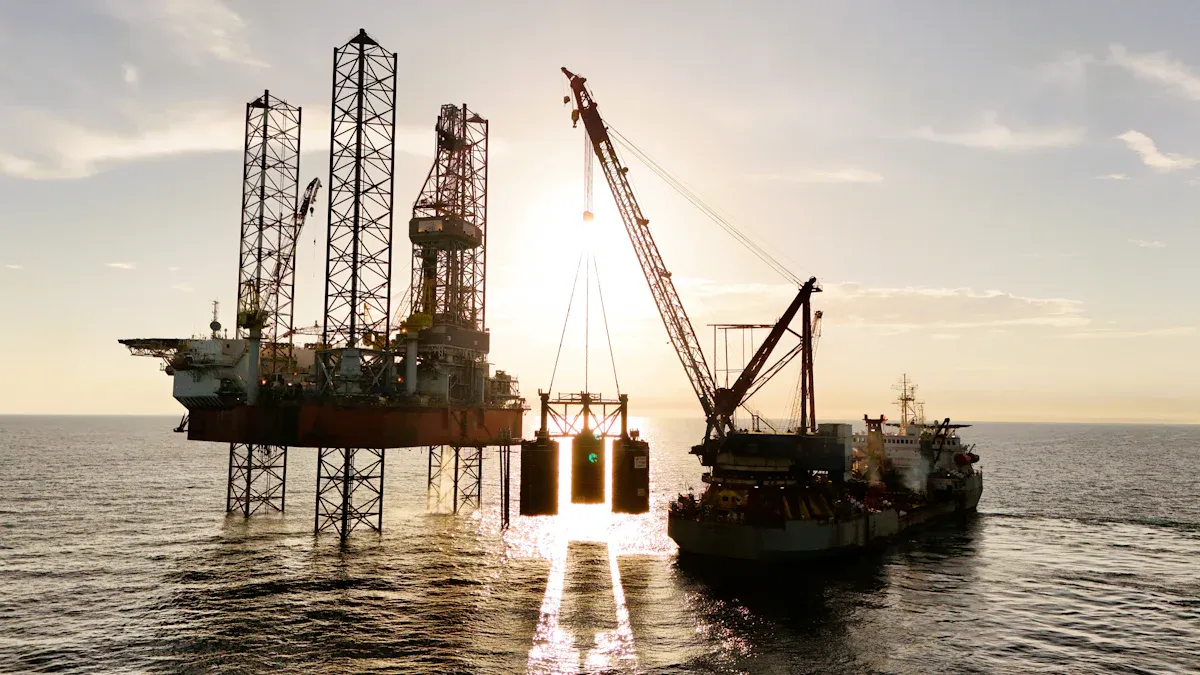
Heavy process industries rely on austenitic stainless steel to protect tough chemical production operations. Plants handling oil, gas, petrochemicals, medicine, and paper need metals that do not react. Preventing pollution drives material choices because clean fluid streams stop ruined batches. Production engineers value long-lasting equipment much more than cheap starting prices.
“Carbon steel typically costs 30-40% less than stainless steel in material price alone… However, carbon steel’s actual cost comes from maintenance. Without proper coatings and inspections, corrosion can force recoating or early replacement. Stainless steel has a higher initial price tag but minimal upkeep. Over 25 years, the total cost of ownership for stainless can actually be lower.”
In weak sulfuric acid areas, carbon steel rusts very fast at rates over 50 mils each year. This fast metal loss forces yearly machine replacement. Grade 304 stops harsh acids well, losing under 2 mils yearly in identical conditions. Lower metal damage cuts risk, stops product pollution, and prevents unexpected factory shutdowns.
| Material | Upfront Cost (Example) | Annual Maintenance Cost | Replacement Cycle (Years) | Total 20-Year Cost (Example) |
|---|---|---|---|---|
| Austenitic Stainless Steel (316L) | $45 per linear foot | Very Low / Biennial inspection | 30+ | $135,000 (27% lifecycle savings) |
| Carbon Steel (Coated) | $12 per linear foot | ~$8,000 annually (bi-annual coating repair) | 12 | $186,000 |
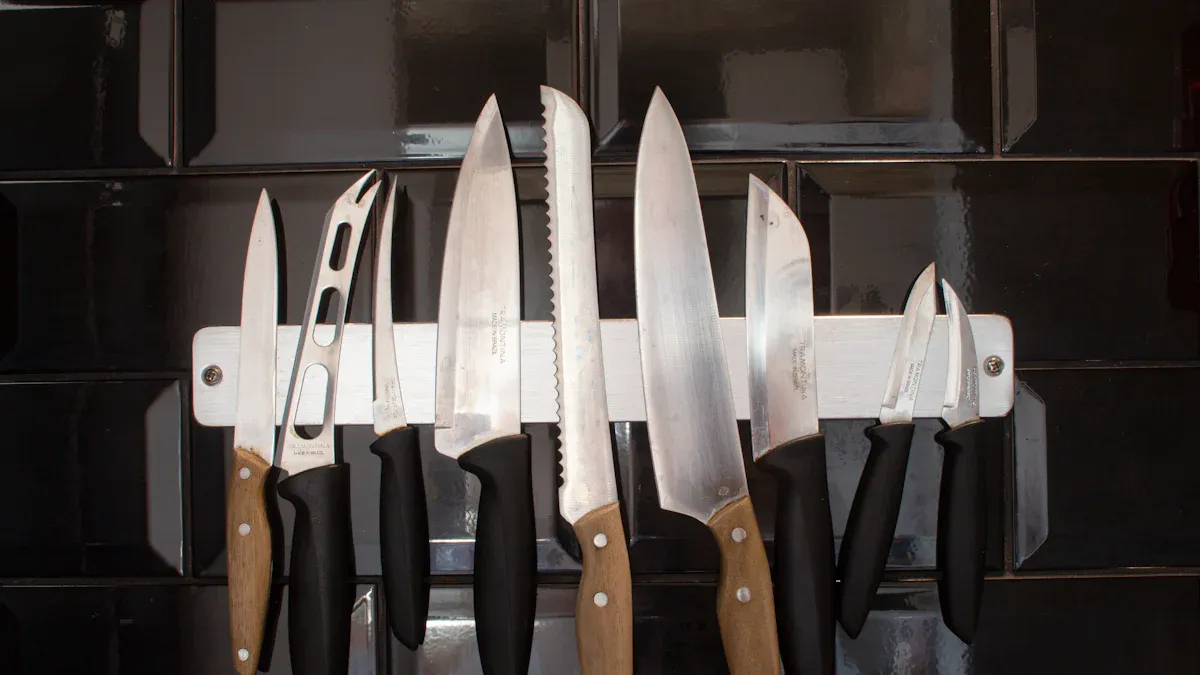
Transport equipment designers also require strong performance rules across tough commercial fields. Car makers put strong alloys inside hot exhaust systems and body frame parts. Airplane teams choose these metals for fluid pipes and cabin screws under extreme flight stress. Medical tool makers build exact surgical gear, bone pins, and hospital cleaners with these safe, easy-to-clean metals.
Industrial Fluid Handling Components
Fluid handling systems use special alloy parts to control harsh liquids and compressed gases. Valve bodies, inside stem parts, and pump impellers face constant fluid wear. Engineers select high-nickel alloys to make reliable heater parts, heavy paper rolls, pipe connections, and boat parts. Great rust protection shields inner valve seats from harsh chemicals, holding tight pressure seals over long factory runs.
- Marine Environments: Carbon steel tanks need paint fixes every 6-8 years at high prices ($15-25/sq ft), but stainless steel removes this repeating cost for over 25 years.
- Chemical Processing: Key liquid movement pipes fight off harsh chemical damage, stopping dangerous industrial fluid spills.
- Food Processing: Cleaning chemicals speed up carbon steel damage, causing part replacements every 3-5 years compared to 15+ years for stainless steel.
- Coastal Infrastructure: Carbon steel loses 25-40% of its pulling strength in 10 years from ocean salt, creating safety hazards and forcing frequent repair work or full replacements.
Planners pick these metals to keep factory work running smoothly across many industrial uses. Great rust protection stops early surface pits on delicate mechanical valve stems. Low repair needs keep fluid systems working safely without constant fix-it stops.
Common Austenitic Stainless Steel Grades
Engineers use standard types of austenitic stainless steel to solve different building problems. Metal makers tweak these metal mixes to meet specific workplace needs in modern factories.
Grade 304 in Commercial Manufacturing
Grade 304 acts as the go-to metal for everyday factory production around the globe. Factory buyers choose this adaptable metal for basic jobs that need dependable strength without expensive material costs. Product makers build storage tanks, tough tables, deep sinks, pots, pans, and silverware from Grade 304 because it bends so easily. Builders also shape this metal into wall panels, chemical vats, and frame parts for cars and airplanes. Food factories often use the low-carbon 304L version to prevent weak spots from forming when parts undergo heavy welding.
| Grade | Preferred Industrial Application Scenarios | Primary Rationale |
|---|---|---|
| 304 Stainless Steel | Kitchen equipment, architectural panelling, chemical containers, automotive and aerospace structural use, food processing equipment | Cost-effective choice for general corrosion resistance in less demanding environments |
| 316 Stainless Steel | Marine environments, boat fittings, chemical processing equipment, heat exchangers, pharmaceutical applications, medical settings, water treatment | Superior resistance to chlorides and aggressive chemicals due to 2-3% molybdenum content |
The balanced mix of chromium and nickel in Grade 304 offers trusty rust defense in mild working spaces. Plants avoid wasting money by picking this basic metal whenever strong chemicals or ocean salt water are not present.
Grade 316 and 310 in Severe Duty
Tough factory settings need better metal mixes to stop fast surface damage. Steel makers mix 2-3% molybdenum into Grade 316 stainless steel during production. This extra ingredient greatly boosts the metal’s defense against rust spots from salt, strong factory liquids, and harsh cleaning acids. Because of this, engineers pick Grade 316 for ocean gear, boat parts, heat units, water plants, and beachside food setups. Drug companies place Grade 316 inside sterile rooms and high-acid pipes. Hospitals outfit operating rooms with Grade 316 tools to resist damage from strong cleaning sprays. The added molybdenum gives Grade 316 much better rust protection than basic metals used near active chemicals.
Super hot factory jobs need special heat-proof metals that outperform normal options. Heating plants regularly select Grade 310 for big furnace sections, burners, and heat-treating parts. Grade 310 handles steady heat up to 1100°C (2012°F) and quick heat spikes up to 1150°C (2102°F). Higher levels of chromium and nickel give Grade 310 amazing heat defense compared to basic Grade 304 tools.
“This alloy is specifically engineered for prolonged operation under constant high-temperature stress. Its composition, including a higher permissible carbon content compared to variant 310S, enhances its creep strength and increases its resistance to deformation when used in high-temperature structural applications.”
Factory leaders pick Grade 310 to stop metal bending and dangerous heat damage in vital treatment ovens. Picking top-grade austenitic stainless steel ensures strong working safety and great performance under hard conditions.
Material Selection Criteria
Environmental and Operating Demands
Engineers check local chemical levels and heat to pick good factory metals. Salt amounts guide alloy picks since extra salt brings quick rusting. Grade 304 works fine with salt up to 100 ppm in water. Grade 316 with added molybdenum handles tough spaces with salt up to 2000 ppm. Yet, stress cracks appear even in small salt levels under high physical pressure.
| Stainless Steel Grade | Maximum Water Chloride Concentration | Governing Industry Standard |
|---|---|---|
| 304 / 304L | 100 ppm | NACE MR0175 / ISO 15156-3 |
| 316 / 316L | 2000 ppm | NACE MR0175 / ISO 15156-3 |
Hot heat also wears down regular metals over time. Regular 304 metal gets weak damage between 500 °C and 800 °C. Chromium carbides gather along inner borders in this hot zone. Low-carbon Grade 304L stops carbide buildup, saving structural strength during high heat. Oil workers use NACE MR0175 and ISO 15156-3 rules to pick safe metals for gas service.
Fabrication and Lifecycle Costs
Building needs strongly guide which metal works best for a project. Cold shaping alters internal metal, changing important strength traits. Welding regular Grade 304 makes weak spots near hot joints. Low-carbon types stop weld chromium loss, keeping full rust defense across big joined parts. Factory crews shape austenitic stainless steel parts using normal shop tools, cutting setup delays.
“The NACE MR0175/ISO 15156 standard describes suitable materials for sour environments in oil and gas production, including 316 stainless steel.”
Long-term cost checks favor tough alloys even with higher initial prices. Coated carbon steel starts at a cost score of 2.1, but needs repainting every 2 to 6 years near salt oceans. Over a 50-year run, carbon steel hits a cost score of 2.1 from endless fix-ups. Grade 316 costs more upfront with a 2.8 score, but reaches a lower 50-year cost score of 1.4 by skipping replacements.
Engineers pick ideal alloy grades by checking working spaces, heavy physical stress, and heat bounds.
| Criterion | SS 304 | SS 316 |
|---|---|---|
| Key Alloying Element | Chromium-Nickel | Chromium-Nickel with 2-3% Molybdenum |
| Primary Chemical Resistance | General corrosion resistance | Superior resistance to chlorides and acids |
| Selection Guideline | Use for general industrial operations | Specify for chloride-rich and marine environments |
Smart factory buyers weigh upfront metal prices against long-term operational durability. Selecting proper materials minimizes expensive maintenance downtime over decades of continuous facility operation. Plant engineers and purchasing agents must test exact chemical exposures and mechanical demands before setting final material specifications for heavy machinery.
FAQ
Why do engineers prefer Grade 316 over Grade 304 in marine environments?
Grade 316 includes two to three percent extra molybdenum. This added mix raises its rust resistance rating up to 24. Standard Grade 304 only reaches a score of 19. Because of this change, Grade 316 fights off harsh ocean salt far better.
What causes non-magnetic austenitic stainless steel to become magnetic?
Cold shaping alters the inner layout of the metal. Tough steps like tight bending change non-magnetic parts into magnetic zones around fresh edges. Factory teams remove this magnetic pull by heating parts to 1120 °C and quickly cooling them down.
Which stainless steel grade best handles extreme heat applications?
Grade 310 safely withstands steady, super hot temperatures up to 1100 °C (2012 °F). Extra chromium and nickel give Grade 310 much better heat protection than basic Grade 304. Plants pick this tough metal to build furnace sections, fuel burners, and heat tools.
How does low carbon content benefit Grade 304L and Grade 316L?
Using less carbon stops harmful chemical buildup during heavy welding work. Lowering this buildup shields the metal from rust damage right near hot joints. These low-carbon choices keep their full strength and rust protection across long welded pieces.


